









Uncategorized
Why Hardware Wallets, NFT Management, and Portfolio Tracking Are Changing Solana Security
Okay, so check this out—I’ve been diving into the Solana ecosystem for a minute now, fiddling around with staking, DeFi, and all that jazz. And wow, the way hardware wallets are starting to blend seamlessly with NFT management and portfolio tracking? It’s kinda wild. At first, I thought, “Sure, hardware wallets are just about cold storage, right?” But nope, the landscape’s morphing fast.
Seriously, managing NFTs on-chain used to feel like juggling flaming swords—fragile, risky, and honestly a little scary. But something felt off about relying solely on hot wallets for these precious assets. Then I stumbled upon this integration trend where your cold storage device isn’t just a vault but becomes an active participant in your crypto life.
Here’s the thing. When you combine hardware wallets with slick portfolio tracking tools, especially in the Solana sphere, you get a security boost that doesn’t sacrifice convenience. Like, you can stake tokens, track your gains, and even manage NFTs without exposing your private keys online. It’s not perfect yet, but it’s definitely heading in the right direction.
At some point, I wondered if the added complexity might scare off newcomers. But then again, when DeFi platforms grow so sophisticated, users kinda need these advanced features. And the solflare wallet extension is a great example—bridging ease of use with robust security. Hmm… that’s clever.
Anyway, I’m getting ahead of myself. Let’s unpack how hardware wallets are evolving beyond mere cold storage and why that matters for NFT lovers and portfolio trackers on Solana.
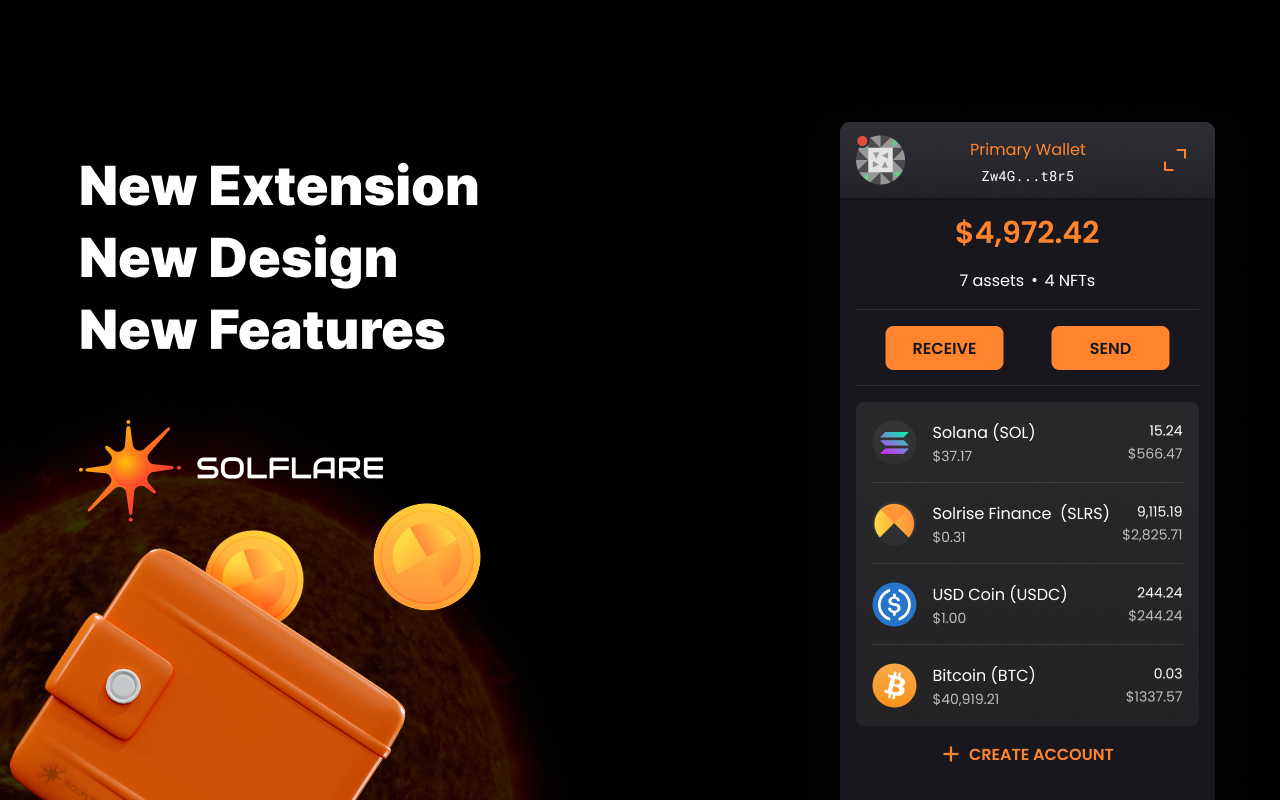
First off, hardware wallets used to be these chunky, somewhat intimidating devices reserved for hardcore crypto nerds. But nowadays, they’re sleeker, more user-friendly, and integrate directly with browser extensions and apps. This means you don’t have to juggle multiple tools or risk exposing keys during transactions. For example, combining a hardware wallet with the solflare wallet extension allows users to confirm transactions offline, which is huge for security.
On one hand, that sounds pretty straightforward, but on the other, it’s a subtle shift in user behavior. People expect instant access, but with hardware wallets, there’s that slight pause for confirmation. Though actually, that pause is a blessing in disguise—it forces you to slow down and rethink every transaction. Not a bad tradeoff, if you ask me.
Now, about NFT management—wow, this area is heating up. Initially, I thought NFTs were just digital collectibles, but they’re so much more now. They’re assets you can stake, loan, or use as collateral in DeFi protocols. That means securing them is very very important. And relying solely on software wallets for this? Yeah, that bugs me big time.
Hardware wallets provide that extra layer of protection. Since NFTs are basically unique tokens on Solana, signing transactions offline prevents hacks and phishing attempts. However, there’s a catch: not all hardware wallets support the full range of NFT operations seamlessly. So, users need to pick their hardware carefully and look for compatibility with tools like the solflare wallet extension, which supports NFT viewing and management.
Here’s a quick anecdote: I had a friend lose an NFT because they confirmed a transaction on a compromised software wallet. They were devastated. But once they switched to a hardware wallet combo with a secure extension, their confidence skyrocketed. It’s those little “aha!” moments that make you realize security isn’t just tech—it’s peace of mind.
Portfolio tracking is another beast. At first glance, it seems like a convenience feature, but really, it’s a security tool in disguise. If you can monitor your holdings live—staking rewards, NFT valuations, token balances—you’re less likely to be blindsided by suspicious activity. The solflare wallet extension offers some cool portfolio tracking features, but pairing it with hardware wallets ensures that even if your portfolio tracker is compromised, your assets remain safe.
Okay, so here’s where it gets complicated. Some folks argue that hardware wallets slow you down in fast-paced DeFi environments. True, the signing steps add friction. But honestly? That friction forces better decision-making. It’s like having a co-pilot who insists you double-check before you jump out of the plane. Annoying at first, but you come to appreciate it.
Interesting side note: interoperability is still a pain. Not every hardware wallet plays nice with every Solana app, especially for NFT use cases. But projects are catching on. The solflare wallet extension team, for instance, is actively improving support for hardware wallets, making the whole process more fluid.
Why this matters for everyday Solana users
So, why should you care if hardware wallets, NFT management, and portfolio tracking merge into a smoother experience? Well, for one, it means your assets are less exposed to hacks, scams, or accidental loss. Also, it empowers you to interact with DeFi and NFT platforms confidently. You don’t have to be a crypto savant to protect your stuff.
And I’m biased, but I think this trend will make the Solana ecosystem more accessible. When security tools are intuitive and integrated, more people jump in, which fuels innovation. But it’s not all roses—there’s still a learning curve, and some frustration along the way. (Oh, and by the way, if you’re impatient, hardware wallets might feel like a speed bump.)
Still, the benefits outweigh the hassles. Imagine controlling your NFTs, staking rewards, and token balances all through a secure setup that prompts you to approve transactions offline. That’s a game-changer. Plus, the peace of mind is worth its weight in Bitcoin (or SOL).
At the end of the day, tools like the solflare wallet extension show us that security and usability aren’t mutually exclusive. They’re learning to dance together—sometimes awkwardly, but increasingly gracefully.
Common Questions About Hardware Wallets and Solana NFT Management
Can I manage all my Solana NFTs through a hardware wallet?
Mostly yes, but it depends on your hardware wallet model and software integration. Some wallets fully support NFT viewing and signing, especially when paired with extensions like solflare wallet extension. However, certain advanced NFT features may require additional tools or updates.
Is portfolio tracking secure when using a hardware wallet?
Portfolio trackers that connect to hardware wallets don’t have access to your private keys, so they can’t move your assets. They provide read-only data, which helps you monitor your holdings without compromising security. Still, always use trusted software to avoid phishing or data leaks.
Does using a hardware wallet complicate staking on Solana?
It adds an extra step, since you need to confirm staking transactions physically on your device. While it may slow down the process a bit, it significantly reduces risks of unauthorized staking or token loss. Tools like the solflare wallet extension help streamline this experience.
